
Gas Purging & Decommissioning Works
Supporting a major facility fit-out with specialist gas engineering
Not every project involves installing something new, which is something we love about the work we do and who we work with - no two days are ever the same.
Just the other month, we were brought in by a fit-out contractor we work closely with to safely decommission an existing gas installation at a large commercial manufacturing facility operated by one of the UK's leading names in the coffee industry, as part of a wider decarbonisation project.
While on paper the scope might sound straightforward, gas decommissioning requires careful planning, specialist knowledge and a strict approach to safety. Every stage of the project had to be carefully managed to ensure the installation was safely isolated, purged, and removed from service in full compliance with industry regulations.
The works formed part of the client's ongoing commitment to reducing its carbon footprint and working towards its long-term net-zero objectives. As areas of the facility were being repurposed, the existing gas infrastructure was no longer required and needed to be safely taken out of service before the next phase of works could begin.
The Brief
As part of the building refurbishment, the incoming gas supply and associated pipework were no longer required.
The project called for:
Full tightness testing of the installation
Gas-to-air purging of the existing pipework
Capping of the gas meter outlet
Safe isolation of redundant gas services
Certification of all works upon completion
Our challenge was ensuring everything could be completed safely and efficiently while fitting into the wider programme of works being carried out on site and with multiple contractors in the picture.
The Solution
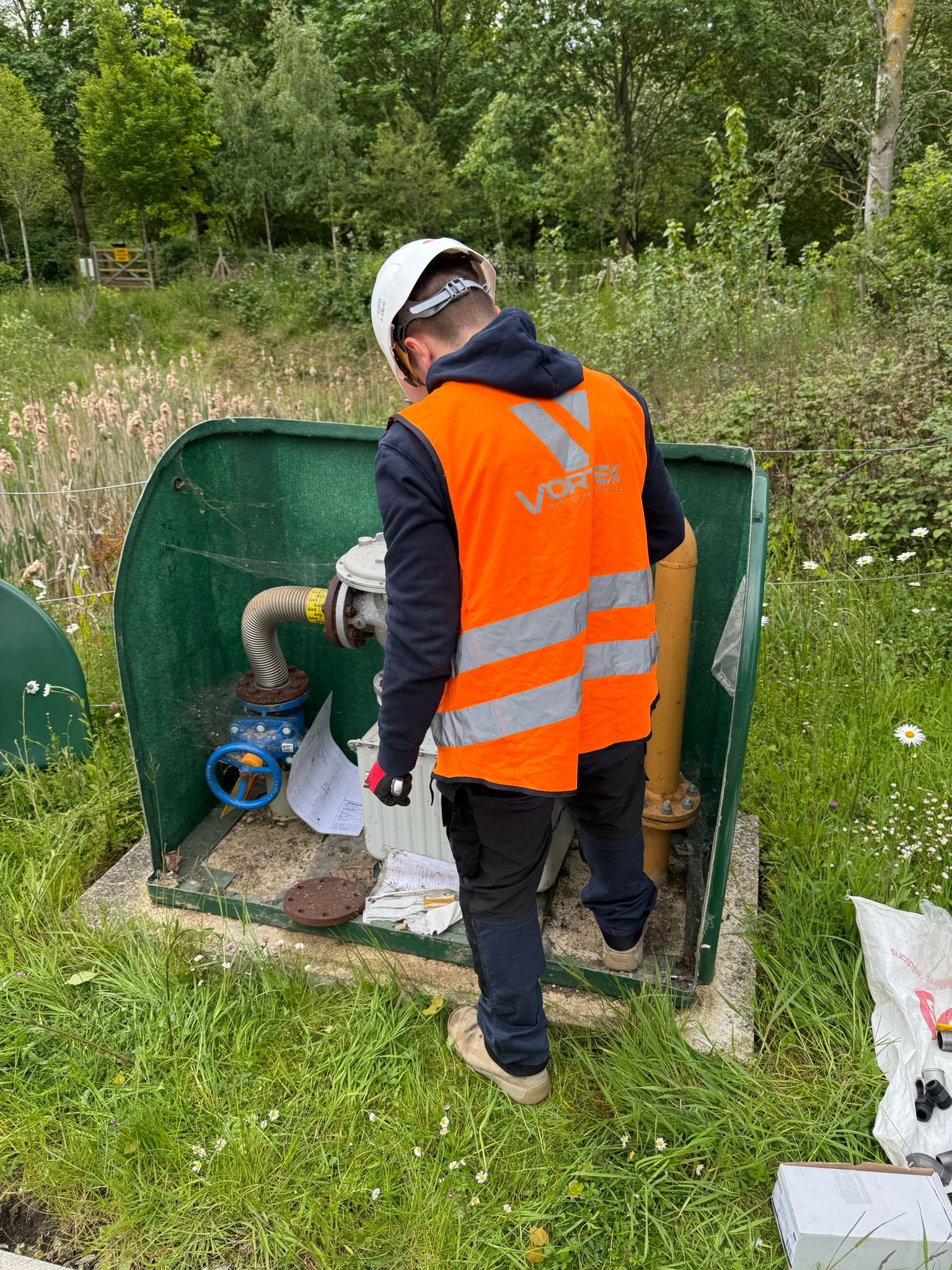
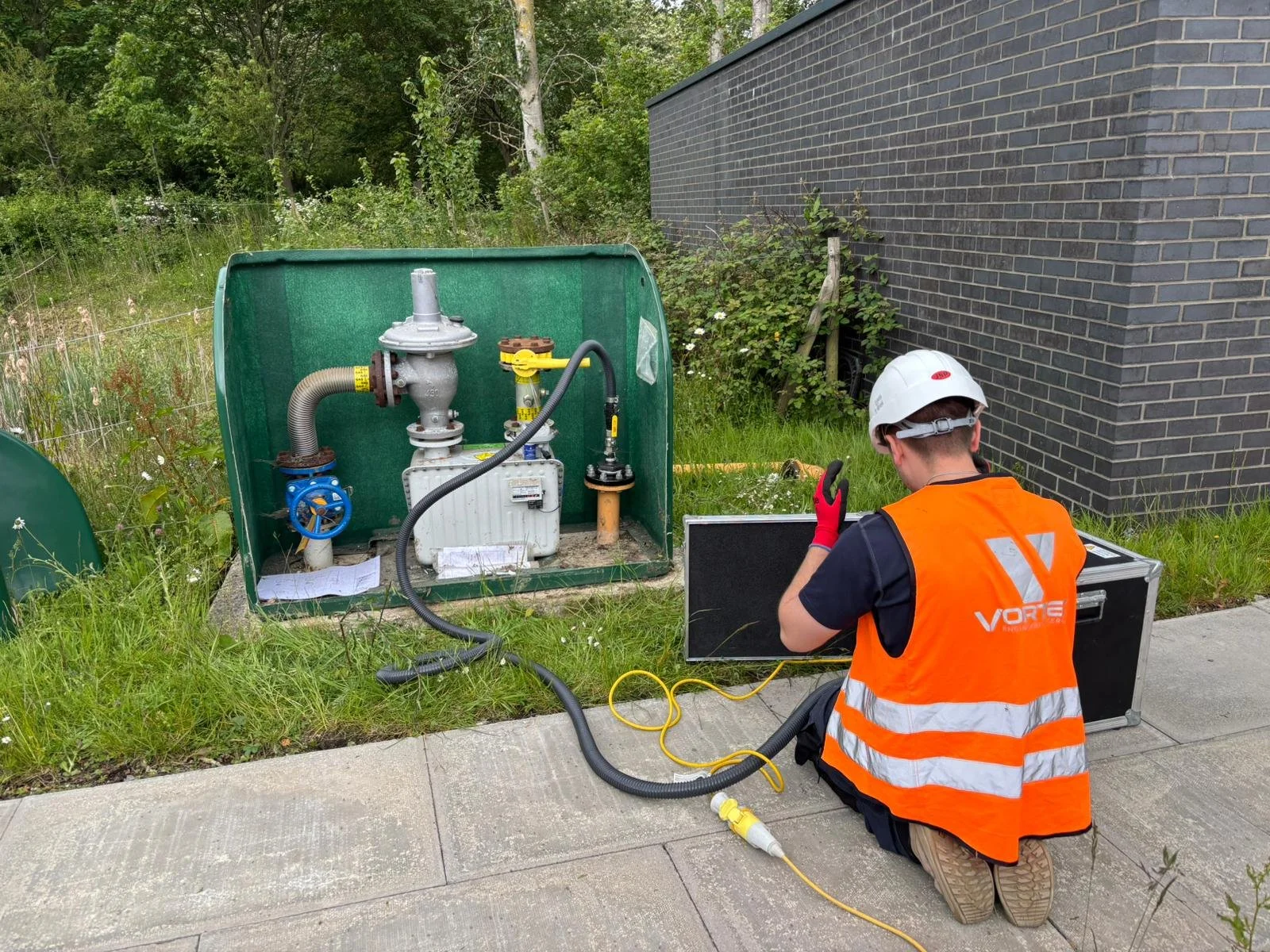
Working alongside the principal contractor, we carried out a full tightness test on the existing installation to confirm system integrity before any decommissioning work took place.
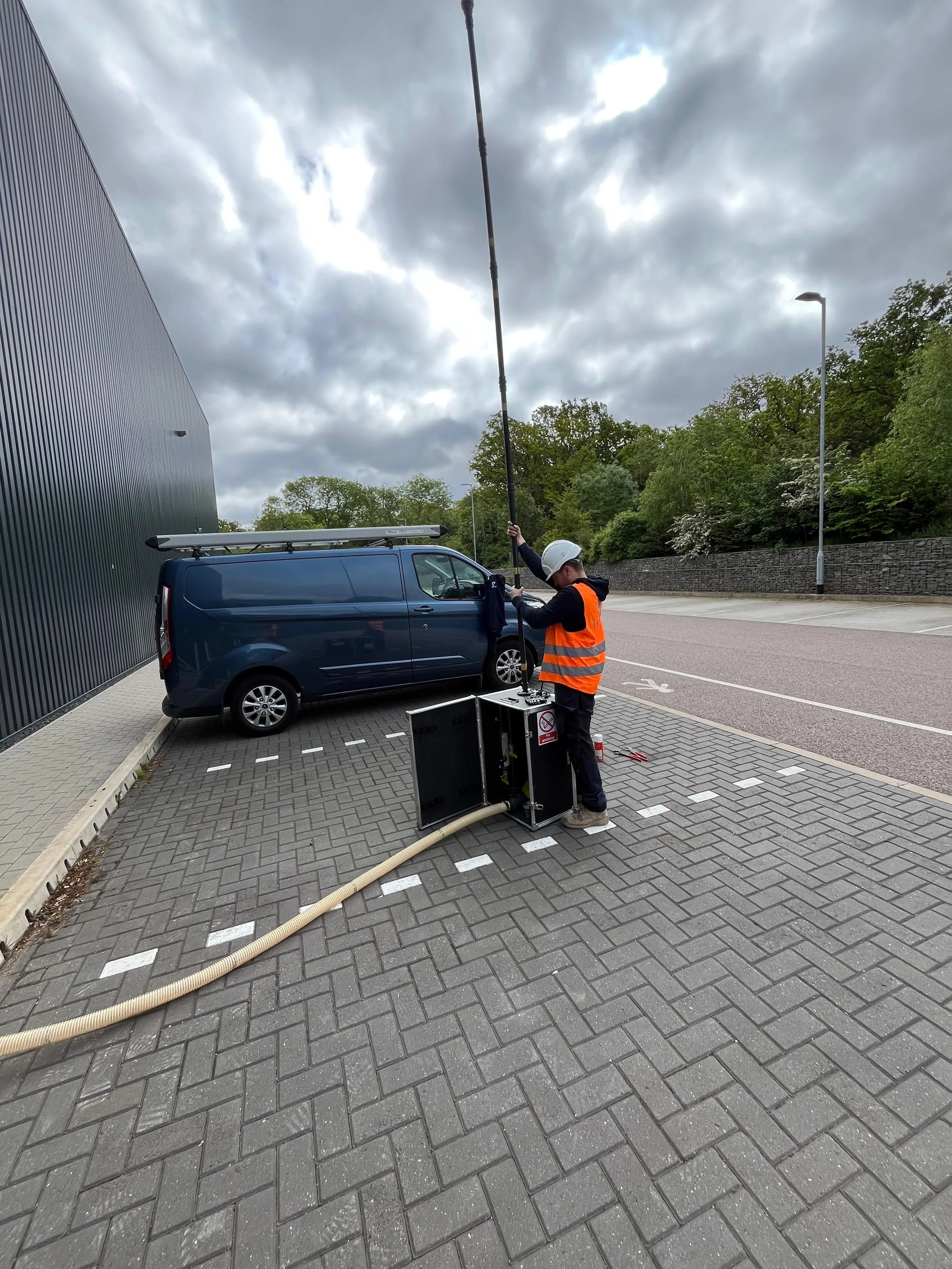
From there, we completed all necessary purge calculations and undertook a controlled gas-to-air purge in accordance with IGE/UP/1A procedures. Throughout the process, calibrated gas detection equipment was used to monitor conditions within the pipework and verify that the purge had been completed safely.
Once the system had been fully purged, the gas meter was capped at the outlet, ready for future removal by the Gas Board, while the existing pipework was safely blanked and left in situ as required by the project specification.
Finally, a Non-Domestic Gas Testing and Purging Certificate was issued - keeping everything compliant.
Beyond the immediate safety and compliance requirements, the project also helped position the client for future cost savings. With the gas infrastructure no longer required, the site can now move towards the complete removal of the gas supply, helping eliminate ongoing standing charges and other costs associated with maintaining a live gas connection.
“Projects like this are a good reminder that specialist gas work isn’t always about what’s being installed. Sometimes it’s about making existing systems safe and ensuring the next stage of a project can move forward with confidence. That’s where experience and following the right process really matter.”
